

Three-in-five say B.C. government right to appeal decision, 12 per cent disagree
October 30, 2025 – A recent B.C. Supreme Court decision recognizing Cowichan Nation land claims has ignited debate over reconciliation and property rights in the province.
Lyackson First Nation chief Shana Thomas has called the ruling “a step toward Reconciliation – not a threat to it”, but new data from the non-profit Angus Institute finds British Columbians not so sure.
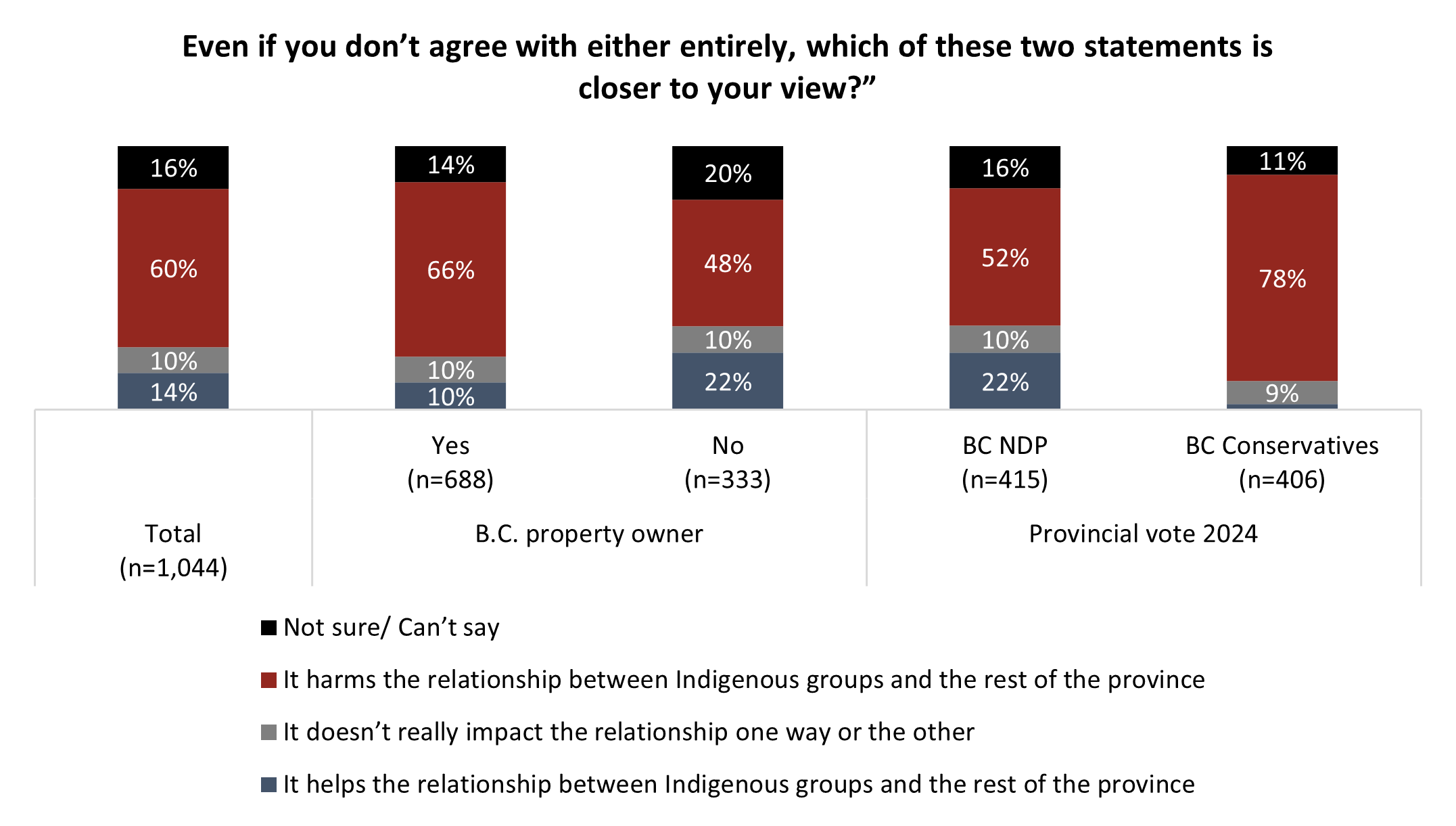
Three-in-five British Columbians believe the decision to affirm Aboriginal title rights over a portion of Richmond – including privately owned property – will harm the relationship between Indigenous groups and the rest of the province. B.C. property owners are significant more likely to feel this way (66%) than those who do not own property (48%). Just over half of past BC NDP voters also express this sentiment, as do nearly four-in-five past BC Conservative Party voters.
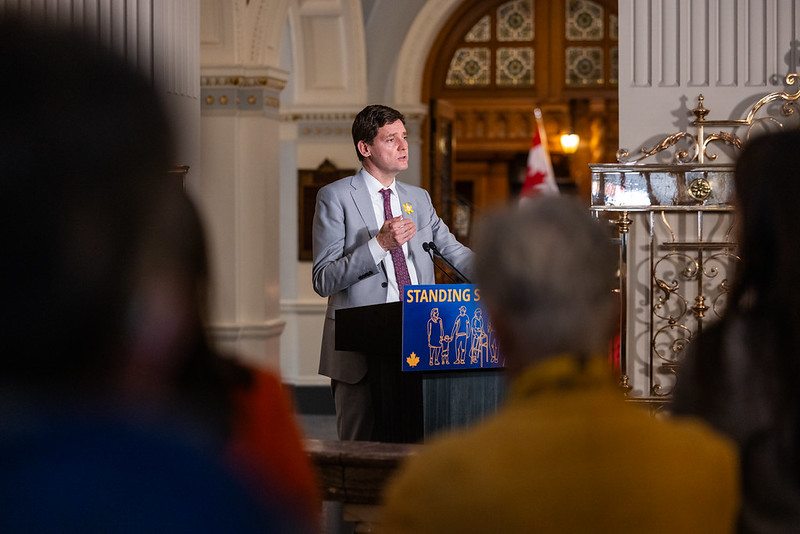
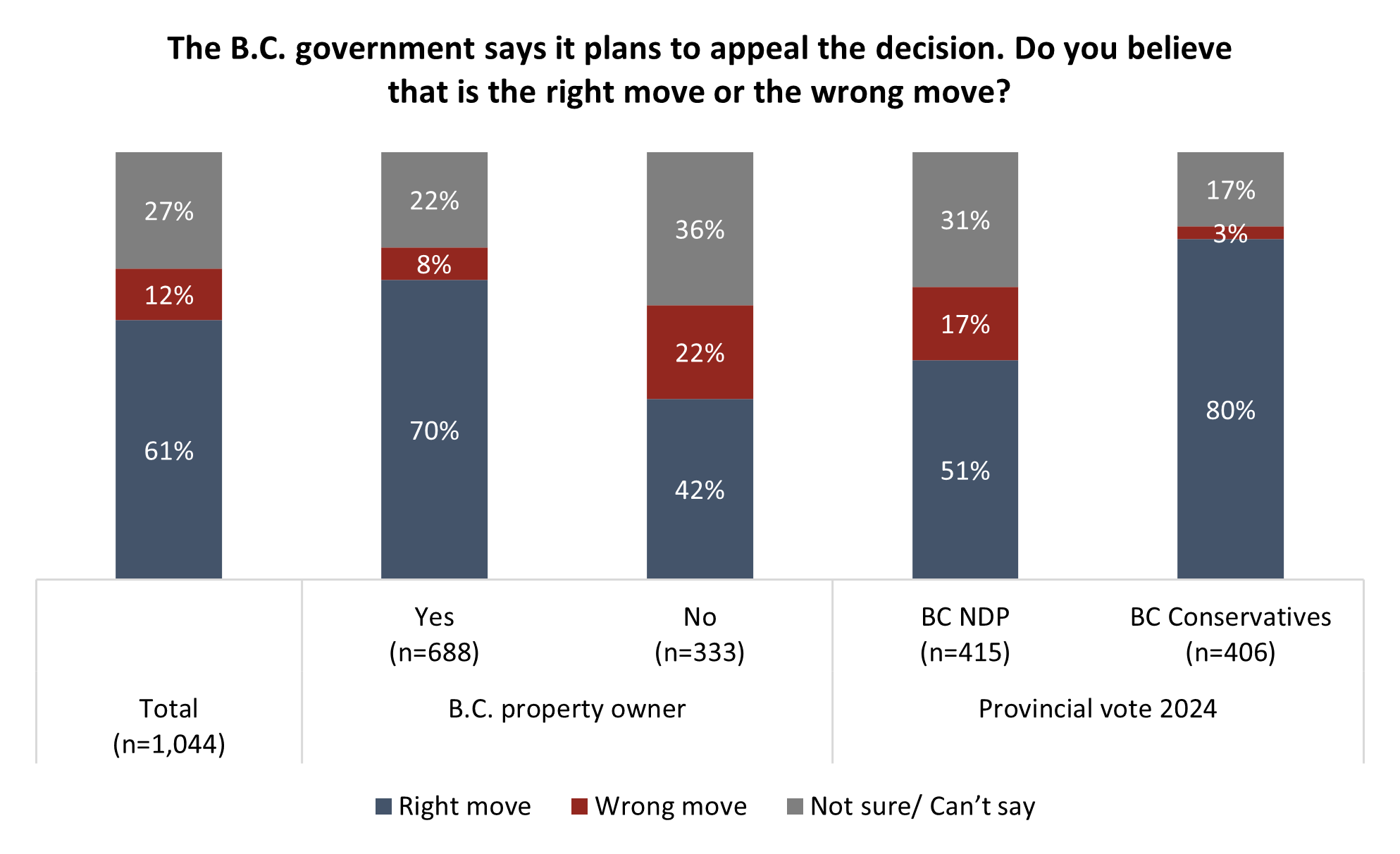
The ruling, which B.C. Attorney General Niki Sharma says could have “significant unintended consequences for fee simple private property rights”, has been appealed by the provincial government, a decision that 61 per cent of B.C. residents say was the right move. One-in-eight (12%) say it was the wrong decision, while others are unsure (27%).
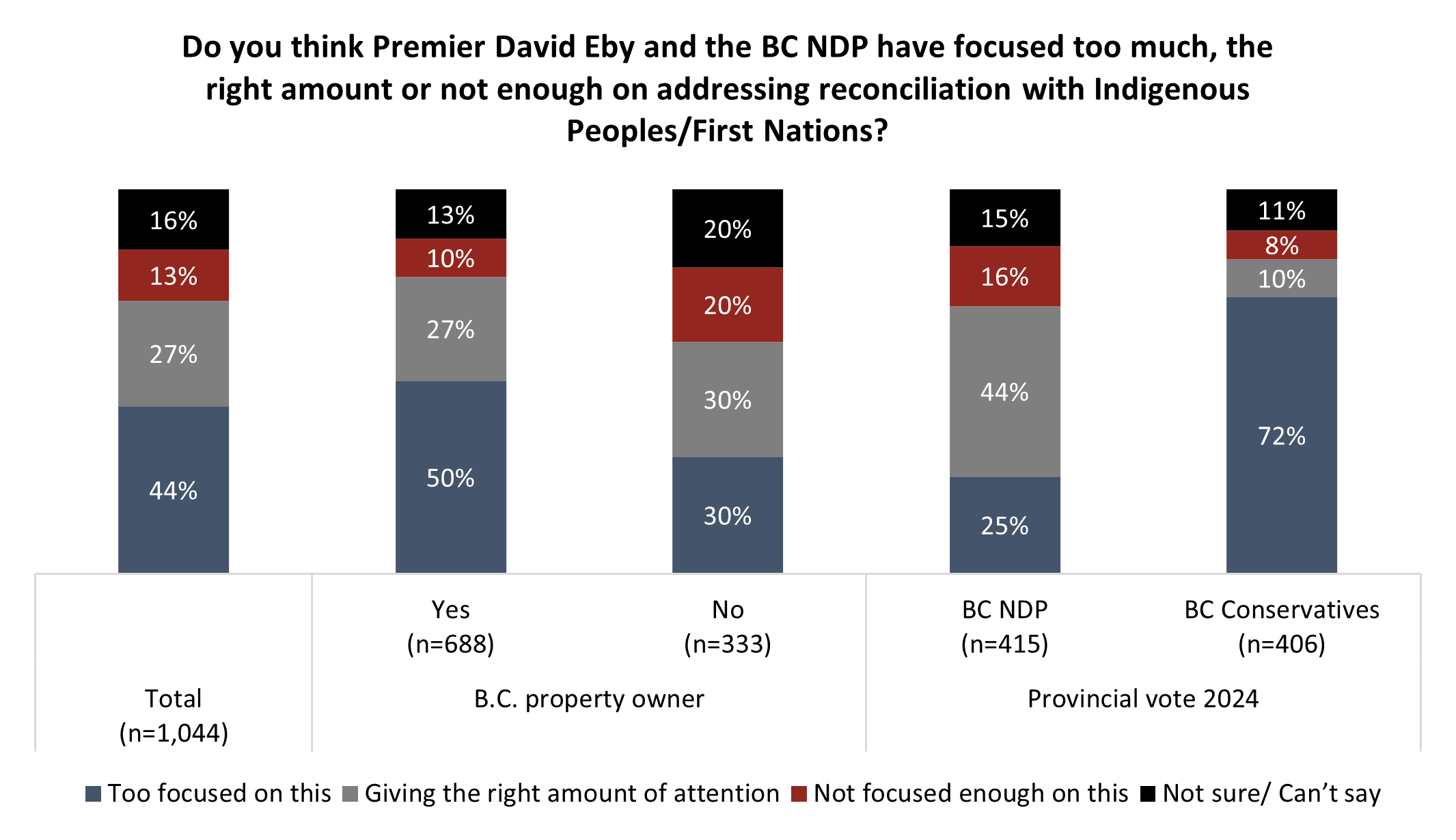
The survey also finds more than two-in-five (44%) residents believe Premier David Eby’s government is “too focused” on reconciliation. Others say the BC NDP is giving this issue the right amount of attention (27%) or not enough (13%), highlighting persistent divisions over how the province should move forward on Indigenous land rights.
INDEX
-
BC Conservative supporters, property owners more likely to follow court ruling
-
Two-thirds describe decision as ‘serious’
-
Most believe B.C. government ‘right’ to appeal
-
Three-in-five say decision ‘harms’ relationship between Indigenous groups and rest of province
-
More than two-in-five believe Eby ‘too focused’ on reconciliation
BC Conservative supporters, property owners more likely to follow court ruling
On August 7, 2025, a B.C. Supreme Court decision recognized Aboriginal title for the Cowichan Tribes over portions of Richmond, B.C, including privately held property. In early September, the B.C. government announced it would appeal the decision, warning it could have “unintended consequences” for private property rights across the province. The case has since become a focal point in ongoing conversations about reconciliation, land use, and Indigenous-Crown relations in British Columbia. This comes after a May 2024 decision wherein the B.C. government signed a land transfer agreement with the Council of the Haida Nation, officially recognizing Haida title over all of Haida Gwaii. That decision explicitly protected private property.
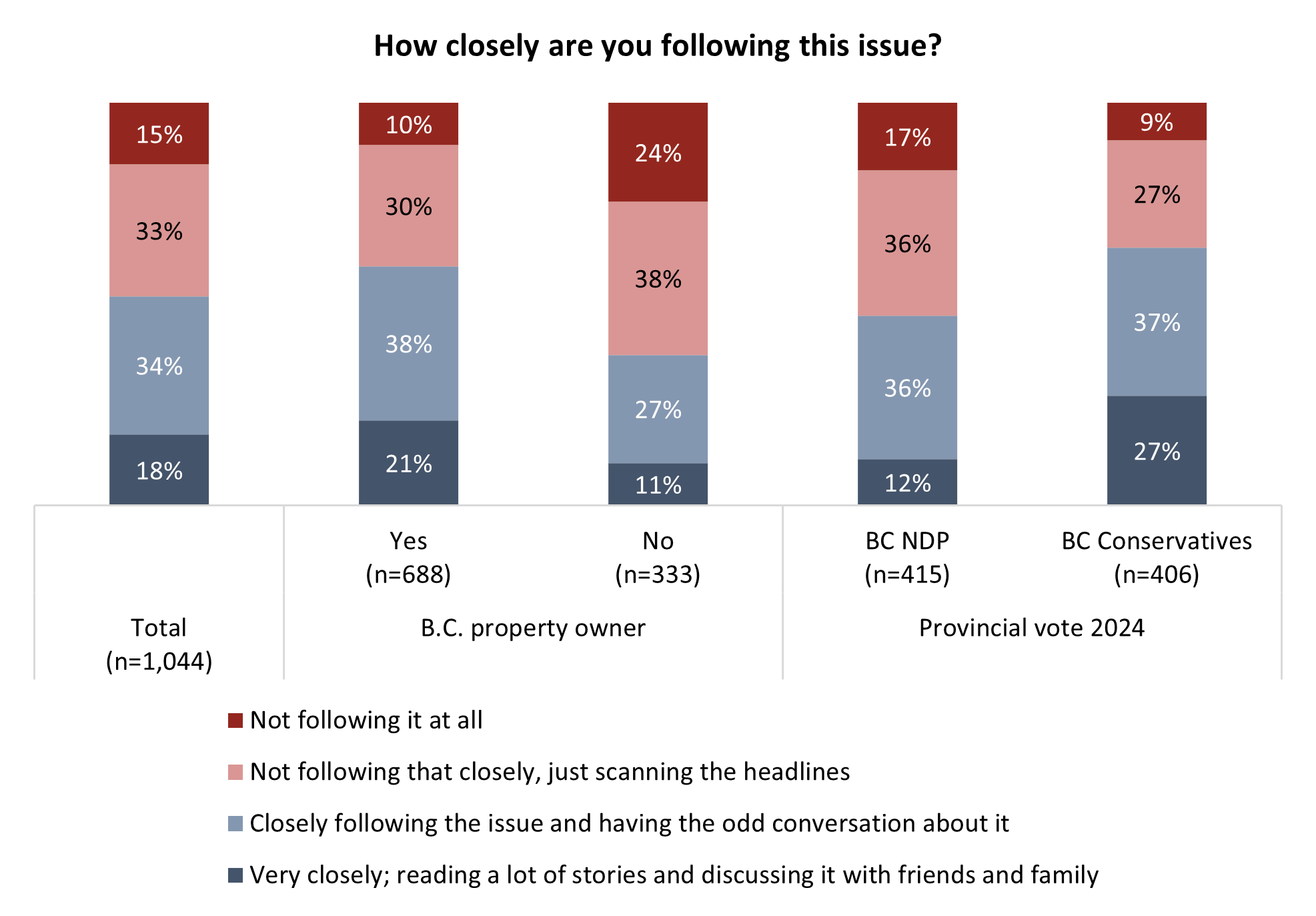
Half in B.C. (52%) say they are following the court case, either closely or very closely, including (59%) of those who report being a property owner in the province. The ruling also appears to have more traction among those who voted for the BC Conservatives in last year’s provincial election (64% closely following) than those who voted NDP (48%):
Two-thirds describe decision as ‘serious’
After the court ruling, the city of Richmond sent a letter to some property owners warning them that the decision “could negatively affect the title of your property”. The Cowichan Nation argues that it is not seeking to invalidate private property owners’ land titles.
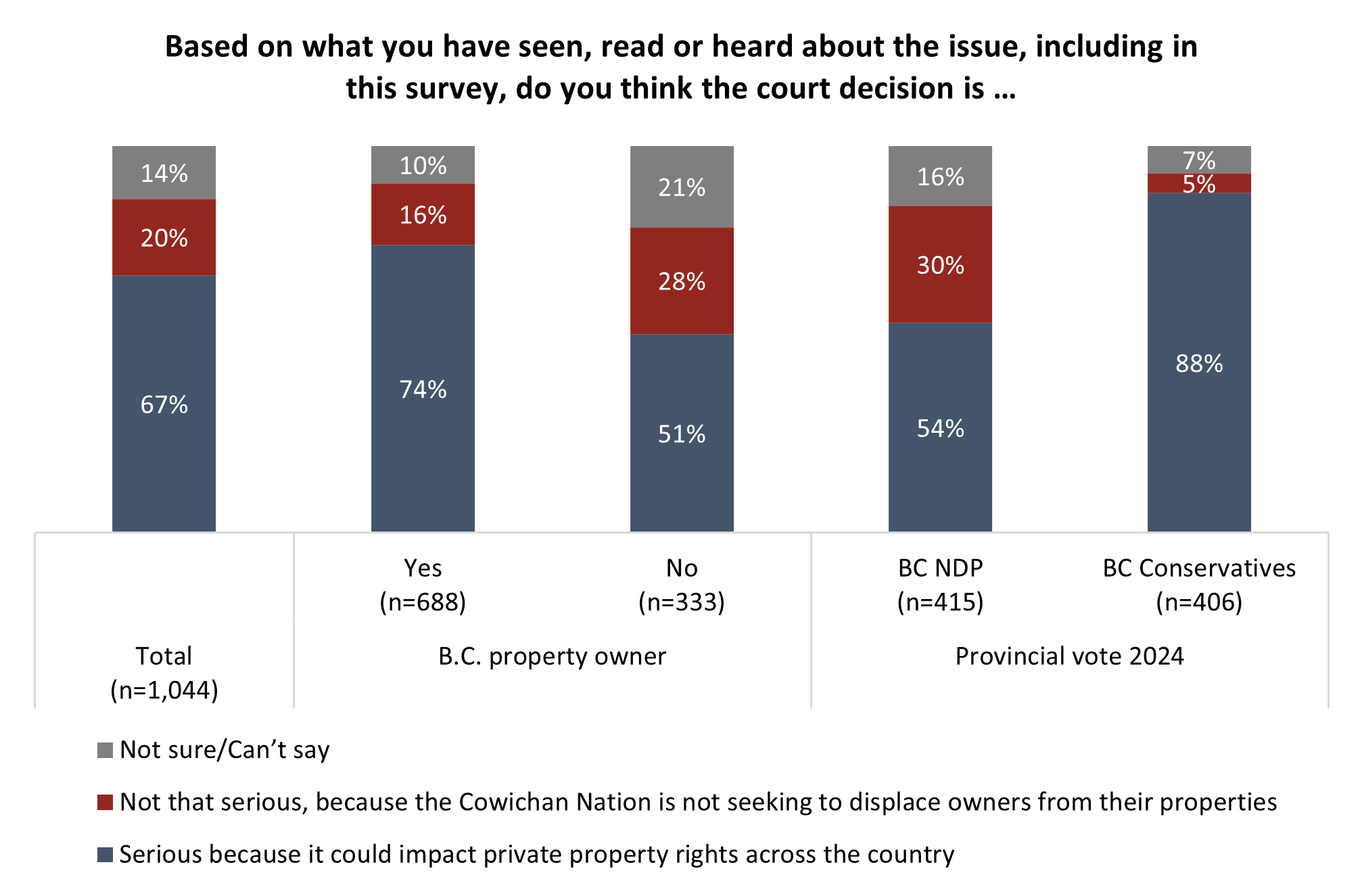
B.C. residents are more worried it could potentially affect property rights than not. Two-thirds (67%) describe the decision as “serious”, while one-in-five (20%) believe it’s not given that the Cowichan Nation says it is not looking to displace private property owners. Those who voted for the BC Conservatives last year (88%) and those who own B.C. property (74%) are much more likely to be in the former group:
Most believe B.C. government ‘right’ to appeal
The provincial government has said it disagrees with the court decision and plans to appeal, arguing the “ruling could have significant unintended consequences for fee simple private property rights in B.C.”
By a five-to-one ratio, British Columbians believe it was the right move rather than wrong one for the province to appeal the decision. There are also one-quarter (27%) who say they are uncertain.
Half (51%) who voted BC NDP and four-in-five (80%) who voted BC Conservatives believe it was the right decision:
Three-in-five say decision ‘harms’ relationship between Indigenous groups and rest of province
Lyackson First Nation chief Shana Thomas called the ruling “a step toward Reconciliation – not a threat to it”.
“By recognizing and respecting First Nations’ rights, we create certainty and a build a more just society,” she wrote in response to the court decision. “Reconciliation must be more than a word – it must be action.”
B.C. residents are more likely to believe the court decision harms the relationship between Indigenous groups and the rest of the province (60%) than helps (14%).
Question text:
“Some people support the court ruling because they say it furthers reconciliation by recognizing Indigenous land claims that predate the existence of Canada.
Other people oppose the ruling because they say they say that it will harm reconciliation by creating conflict between private property owners and indigenous communities.
How about you? Even if you don’t agree with either entirely, which of these two statements is closer to your view?”
More than two-in-five believe Eby ‘too focused’ on reconciliation
While the ruling is a court-issued decision, the BC NDP government has put other efforts into settling land rights issues with First Nations. Last year, the BC NDP proposed making changes to the BC Land Act to initiate co-management of public lands with First Nations in the province. It eventually withdrew those plans.
Related: Voters divided over increased decision-making authority for Indigenous governments
More than two-in-five (44%) in B.C. believe Eby and the BC NDP have been “too focused” on addressing reconciliation. One-quarter (27%) believe the B.C. government is focusing the right amount of attention, including a plurality (44%) of those who voted BC NDP last year. One-in-eight (13%) say their provincial government is not paying the issue enough attention.
METHODOLOGY
The Angus Reid Institute conducted an online survey from Oct. 23-25, 2025, among a randomized sample of 1,044 Canadian adults who live in B.C. and are members of Angus Reid Forum. The sample was weighted to be representative of adults nationwide according to region, gender, age, household income, and education, based on the Canadian census. For comparison purposes only, a probability sample of this size would carry a margin of error of +/- 3 percentage points, 19 times out of 20. Discrepancies in or between totals are due to rounding. The survey was self-commissioned and paid for by ARI. Detailed tables are found at the end of this release.
For more information on our polling methods, click here.
For detailed results by age, gender, region, education, and other demographics, click here.
For PDF of full release, click here.
For questionnaire, click here.
MEDIA CONTACTS:
Shachi Kurl, President: 604.908.1693 shachi.kurl@angusreid.org @shachikurl
Dave Korzinski, Research Director: 250.899.0821 dave.korzinski@angusreid.org
Jon Roe, Research Associate: 825.437.1147 jon.roe@angusreid.org