

Health care performance has dropped precipitously; one-in-four say their province doing a good job now
January 9, 2024 – One of the benefits history offers is perspective. In Canada, that history is unfolding day by day, year over year, and one of the stories being penned as the calendar pages turn is the stark and growing dissatisfaction with government services since 2020.
After the COVID-19 pandemic altered the course of millions, if not billions, of lives, Canadians looked to their governments for answers and guidance. The latest data from the non-profit Angus Reid Institute finds Canadians growing weary of the response. As the nation collectively explores the pandemic blast radius, levels of contentment across key issues – health care, education, housing affordability, addictions policy, and others – are sliding further downward.
Currently, when considering both two top issues in nearly every region of the country – health care and the cost of living – respondents in every province canvassed voice less than 36 per cent satisfaction with their respective governments on each. Dissatisfaction on each issue exceeds seven-in-10 nationwide.
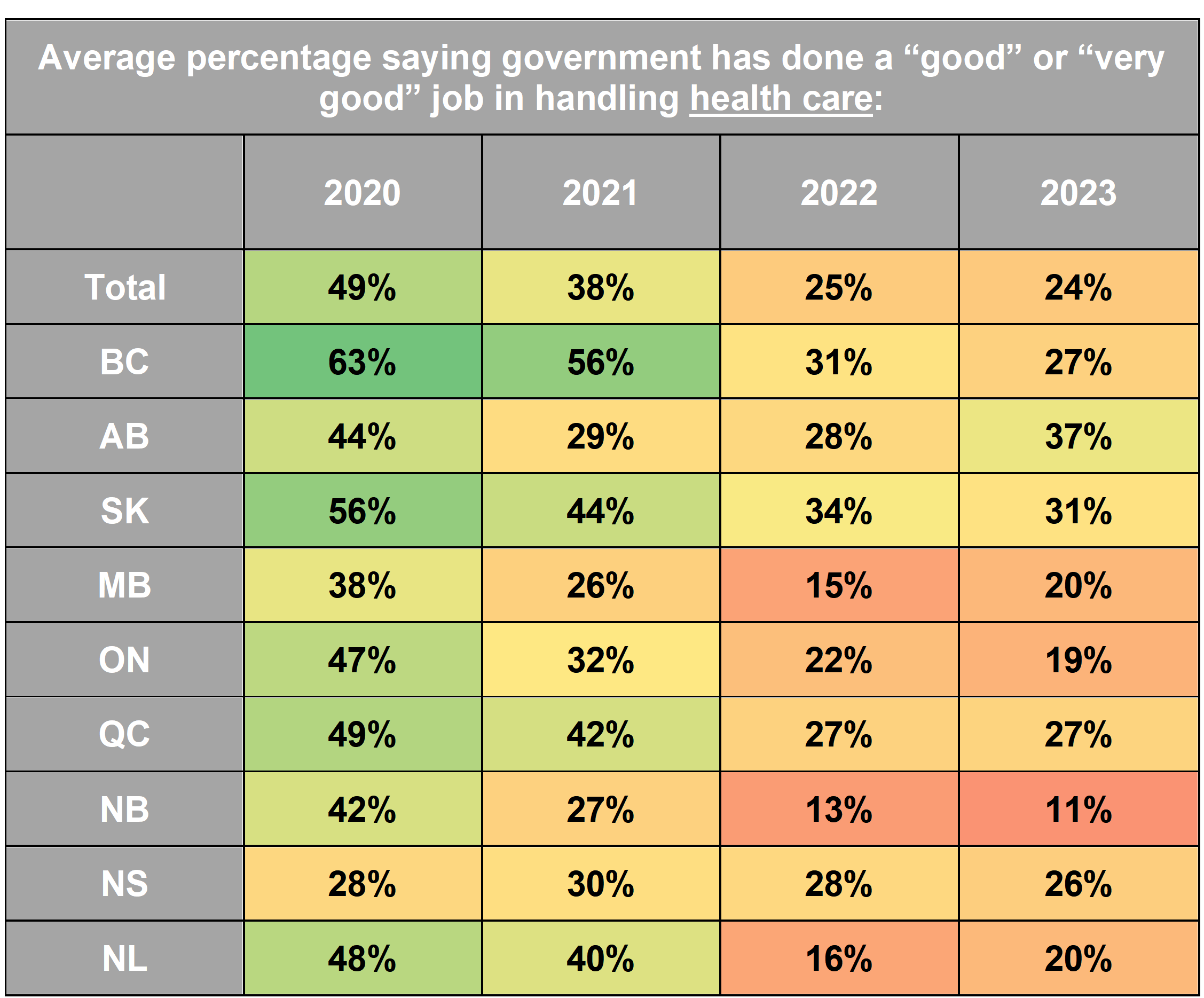
With respect to health care – a core issue coming out of the largest public health crisis in generations – the proportion saying their government has done well on this file has dropped in half as a national average over the past four years, from 49 per cent in early 2020 to 24 per cent now. This includes a fall from 63 to 27 per cent in British Columbia and 47 to 19 per cent in Ontario.
Overall, there are zero provinces in this study that have seen their average approval ratings for the year on any of four key measures – health care, housing affordability, education, or drug and addiction policy – improve from 2020 through 2023. The one bright spot for provincial governance is in overall economic management. While each government is largely panned on its inflation and cost of living response, an average of half in Alberta (51%), Saskatchewan (56%), and Quebec (48%) said their government was doing a good job in economic stewardship throughout 2023.
The spotlight will be on a few provincial governments this year, as British Columbia, Saskatchewan, and New Brunswick are all scheduled to hold elections in the next 12 months. Whether any provincial government can break this trend and turn the views of their constituents around, however, remains to be seen.
More Key Findings:
- 2024 provincial priorities are not difficult to discern. Cost of living is the top provincial issue in every region canvassed other than Nova Scotia, where it ranks second. Health care is the number two issue in every region other than Nova Scotia, where is ranks first.
- Satisfaction with provincial governments in handling education has dropped from an average of 45 per cent in 2020 to 32 per cent in 2023. This includes a fall from 50 to 26 per cent in Quebec and 46 to 24 per cent in New Brunswick.
About ARI
The Angus Reid Institute (ARI) was founded in October 2014 by pollster and sociologist, Dr. Angus Reid. ARI is a national, not-for-profit, non-partisan public opinion research foundation established to advance education by commissioning, conducting and disseminating to the public accessible and impartial statistical data, research and policy analysis on economics, political science, philanthropy, public administration, domestic and international affairs and other socio-economic issues of importance to Canada and its world.
Note: Because its small population precludes drawing discrete samples over multiple waves, data on Prince Edward Island is not released.
INDEX
Part One: Top issues for 2024
Current performance by province on top issues
-
Cost of living
-
Health care
-
Housing affordability
-
Economic issues
Part Two: The COVID-19 blast radius
-
Economic management a bright(er) spot over last four years
-
A government performance freefall in four tables
-
Health care
-
Housing affordability
-
Drug use and addictions policy
-
Education
-
Part One: Top issues for 2024
Heading into 2024 there are glaring challenges facing Canadians and those elected to serve them. In every province canvassed, the cost of living and health care are chosen as the top two issues most important to respondents. Grocery prices, debt, mortgage renewals, and other financial issues have challenged individuals and families all year, leading two-thirds (66%) to choose this as their top priority for government. While the federal government signed new health funding agreements with provinces in early 2023, poor access continues to hamper Canadians experiences with care. Three-in-five (59%) say health care is among their top issues.
Housing affordability makes up the third highest priority in most of the country, with variations in Saskatchewan and Quebec where education is elevated and in Manitoba and Alberta where the economy is prioritized:

Current performance by province on top issues
With many of the top issues aligning across the country, it is worth comparing which governments are performing better or worse in the views of their constituents.
Cost of living
When it comes to the cost of living, no provincial government canvassed fares well. In Alberta and Saskatchewan, the highest number of residents offer praise to provincial efforts on inflationary relief. Even there, however, these proportions do not exceed one-in-three:

Health care
Health care was a source of considerable debate in 2023, with privatization and restructuring drawing headlines in multiple provinces and with the federal government signing health accords worth more than $46 billion with provincial partners. Despite these changes and increased funding, provincial satisfaction is in the proverbial basement. Albertans offer 36 per cent satisfaction to Danielle Smith’s United Conservatives as they begin to restructure Alberta Health Services, while in Ontario and Quebec Doug Ford and François Legault’s governments receive just 19 and 18 per cent satisfaction respectively:

Housing affordability
Running in parallel with cost-of-living challenges is the issue of housing affordability. Angus Reid Institute researchers found these issues growing for both renters, facing rising monthly costs, and mortgage holders, facing the uncertainty of climbing interest rates and pending mortgage renewals.
Expectations for provincial governments are high and grades are poor. Again, Saskatchewan residents offer an uninspiring first place to their government on this file, with most other provincial residents offering low double-digit satisfaction:

Economic issues
On economic issues, there are some areas of relatively higher satisfaction. For example, in Saskatchewan, where 53 per cent say their government is handling the economy well, or in New Brunswick, where 54 per cent approve of the government’s handling of the deficit. Poverty and homelessness are areas of criticism across the country.

Part Two: The COVID-19 blast radius
To explore the fallout from COVID-19, and the seemingly myriad public policy issues that have arisen in its wake, from exacerbated challenges in housing affordability and health care, to debates over immigration and carbon pricing, ARI researchers calculated the average number of residents in each province, in each year, saying that their government was doing a good job at the time on five core issues. Some, including inflation, are limited in tracking and not shown, as they have risen in priority and necessitated individual study more recently. Each of these five issues – the economy, health care, housing affordability, education, and drug and addictions policy – are of key importance to Canadians.
Note: Because its small population precludes drawing discrete samples over multiple waves, data on Prince Edward Island is not released and is excluded from the following tables.
Economic management a bright(er) spot over last four years
If there is any issue for provincial governments to hang their proverbial and collective hats on, it is economic stewardship. Despite key personal challenges related to affordability, economic performance has remained relatively strong in many parts of the country. Consider that the 2023 average for Alberta, Saskatchewan, and Quebec hovers around or above majority, while in B.C. and Nova Scotia it exceeds two-in-five. As we will see in subsequent tables, these numbers are much stronger than those for other files:

A government performance freefall in four tables
The trendline for other key additional issues is much more problematic for provincial governments.
Health care
Canada’s health-care system is struggling. Recent studies, including those done by ARI, have confirmed significant levels of concern within the public about access and timeliness when seeking care. It follows that criticism of provincial governments is growing and in every region of the country fewer two-in-five residents say their province is handling this issue well. The drop is starkest in British Columbia (-36 points over four years), where even in 2021 an average of 56 per cent said their province was doing well, down to 27 per cent now. In New Brunswick just 11 per cent of residents said the province was handling health care well last year:

Housing affordability
Calls for help on the housing affordability file began in many places in the country well before 2020 but high interest rates and rising rent costs have compounded the problem and increased the proportion of the population choosing this as a top issue. In 2020 an average of 27 per cent of Canadians said their province was handling housing affordability well – ranging from 42 per cent in Saskatchewan to 22 per cent in Ontario. In 2023 that national average dropped to 15 per cent as many provinces flirt with single digit satisfaction:

Education
Dissatisfaction with government appears now to extend beyond these core health and finance issues. Consider the number of Canadians saying their province is handling education well. Headlined by Quebec, which appears to be at the tail end of teachers’ strike, nearly every province has seen a significant downward trend in satisfaction. In New Brunswick, where last year Premier Blaine Higgs launched a nationwide debate about gender policy in schools, satisfaction has dropped from an average of 46 per cent in 2020, to 24 per cent, the lowest mark in the nation:

Drug use and addictions policy
Canada’s opioid use epidemic is not new. In British Columbia, which declared a public health emergency in 2016 due to widespread overdoses, 2023 saw more record death levels. In Ontario, reports found that overdose deaths nearly doubled during 2021 after the onset of COVID-19. The search for answers continues, with federal leaders engaging in heated debate over responsibility and policy. For their part, Canadians are overwhelmingly critical of how their provinces are handling the issue:

Survey Methodology:
The Angus Reid Institute conducted an online survey from Nov. 24 – Dec. 1, 2023, among a representative randomized sample of 3,749 Canadian adults who are members of Angus Reid Forum. Provincial margin of error estimates and individual sample sizes are found at the end of this report. Discrepancies in or between totals are due to rounding. The survey was self-commissioned and paid for by ARI.
For detailed results by age, gender, region, education, and other demographics, click here.
For year by year averages for each issue, click here.
To read the full report, including detailed tables and methodology, click here.
To read the questionnaire, click here.
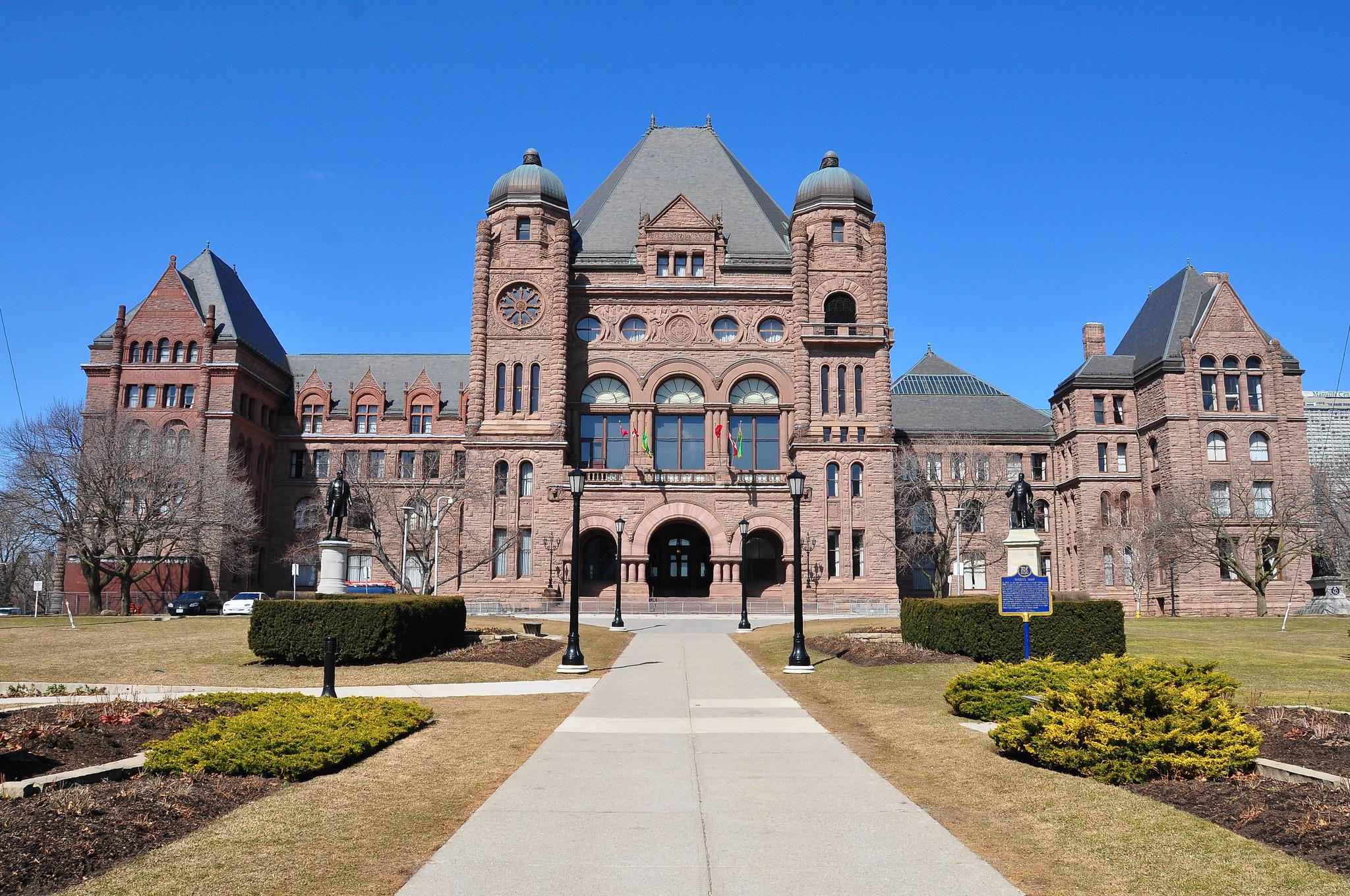
Image – abdallahh/Flickr
MEDIA CONTACT:
Shachi Kurl, President: 604.908.1693 shachi.kurl@angusreid.org @shachikurl
Dave Korzinski, Research Director: 250.899.0821 dave.korzinski@angusreid.org @davekorzinski